20 Years of Litigation Experience | Licensed in Japan & California | Fellow of IAFL | Member of BHBA (Family Law & Trusts & Estates Sections)

Cross-Border Estate & Family Law Japan
Legal Profession Corporation CastGlobalToikyo Office 34F Atago Green Hills MORI Tower2-5-1 Atago, Minato-ku,
Tokyo、105-6234, Japan
Office Hours
9:30~17:30
on weekdays
050-3649-6002
How U.S. Residents Can Inherit Assets in Japan

Introduction
It is increasingly common for individuals residing in the United States to hold assets in Japan, including bank accounts, real estate, shares in Japanese companies, and other investments. For high-net-worth individuals and internationally mobile families, such cross-border asset structures are often unavoidable.
However, when inheritance occurs, many U.S. residents are confronted with a fundamental reality: Japanese inheritance procedures differ significantly from those in the United States. Japan does not operate a unified probate system, and instead relies on document-based procedures conducted separately with financial institutions and government authorities.
As a result, heirs often face unexpected challenges involving documentation, governing law, and procedural compliance. These issues can lead to delays, additional costs, or even disputes if not properly addressed.
This article provides a structured, practical guide for U.S. residents seeking to inherit assets located in Japan, with a focus on legal clarity, procedural accuracy, and effective cross-border coordination.
1. Determining the Governing Law of Inheritance
One of the first issues in cross-border inheritance is identifying which law governs the succession.
Under Japanese conflict of laws rule, inheritance is generally governed by the law of the deceased person’s nationality. For example, if the deceased was a U.S. citizen, U.S. law may govern the determination of heirs and their respective shares.
However, this does not eliminate the application of Japanese procedural rules. Even where foreign law governs the substance of inheritance, Japanese institutions—including banks and the Legal Affairs Bureau—require strict compliance with Japanese procedural requirements.
This dual structure—foreign substantive law combined with Japanese procedural law—can create complexity. Careful legal analysis at an early stage is therefore essential.
2. Identifying Assets Located in Japan
U.S. residents may hold various types of assets in Japan, including:
- Japanese bank accounts
- Real estate (such as residential or investment properties)
- Shares in Japanese companies
- Securities and investment accounts
Each category of asset is subject to its own procedures and documentation requirements.
For example, real estate transfers require registration with the Legal Affairs Bureau, while financial assets are handled directly by banks or brokerage institutions.
A comprehensive inventory of Japanese assets is therefore a critical first step in managing the inheritance process effectively.
3. Documentation Requirements for Overseas Heirs
Japanese institutions require extensive documentation before allowing the transfer of inherited assets.
Commonly required documents include:
- Death certificate of the deceased
- Identification documents of heirs
- Documents establishing family relationships
- Affidavits or declarations of heirship
- Notarized signatures
- Japanese translations of foreign-language documents
Because heirs are located outside Japan, additional formalities often apply. These may include:
- Notarization in the United States
- Apostille or consular authentication (where required)
Incomplete or improperly prepared documentation is one of the most frequent causes of delay. Ensuring compliance with Japanese requirements from the outset can significantly streamline the process.
4. Inheritance of Japanese Real Estate
Where the estate includes real property in Japan, inheritance registration must be completed with the Legal Affairs Bureau.
This process requires:
- Identification of all legal heirs
- Documentation establishing inheritance rights
- Submission of required registration forms
Although foreign heirs are permitted to inherit Japanese real estate, the procedural requirements can be highly technical.
Errors or omissions in documentation may result in delays or rejection of the application. Professional support is therefore often beneficial in ensuring a smooth transfer.
5. Inheritance of Japanese Bank Accounts
Upon the death of an account holder, Japanese banks typically freeze the account until inheritance procedures are completed.
To release funds, banks generally require:
- Proof of death
- Identification of all heirs
- Documentation confirming inheritance rights
Foreign heirs may also be required to provide notarized signatures and additional verification documents.
Each financial institution has its own internal requirements, and these can vary significantly. Coordinating documentation in advance can help avoid repeated submissions and unnecessary delays.
6. Estate Planning for U.S. Residents with Japanese Assets
For U.S. residents holding assets in Japan, advance estate planning is an important consideration.
Effective planning may include:
- Preparing legally valid wills that address cross-border assets
- Coordinating estate plans between U.S. and Japanese legal systems
- Structuring ownership of assets to facilitate future transfers
Thoughtful planning can reduce administrative burdens, minimize the risk of disputes, and provide clarity for heirs.
7. Importance of Cross-Border Legal Coordination
Inheritance matters involving both the United States and Japan require careful coordination between legal systems.
Key issues often include:
- Conflict of laws
- Differences in probate procedures
- Recognition of foreign documents
- Coordination with tax advisors
Given these complexities, working with professionals familiar with both jurisdictions can significantly improve efficiency and reduce legal risk.
Conclusion
For U.S. residents, inheriting assets located in Japan involves navigating a legal framework that differs substantially from that of the United States.
By understanding:
- The governing law of succession
- The nature of Japanese assets
- Documentation and procedural requirements
- Asset-specific transfer processes
- Tax and planning considerations
Heirs can approach the process with greater clarity and confidence.
In cross-border and high-net-worth cases, early coordination with experienced professionals is often the most effective way to ensure a smooth, compliant, and efficient outcome.
Contact information

Please contact via e-mail.
050-3649-6002
Office hours 9:30~17:30 on weekdays
Contact us

Strategies for
International Divorce
More information
Representation in
Hague Convention
Cases
More information
Contact information
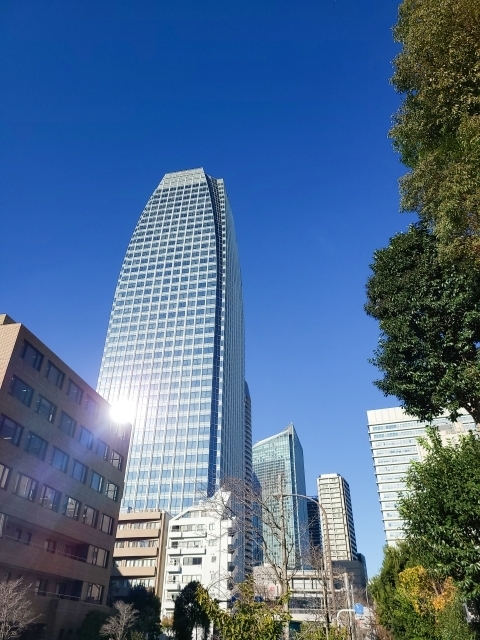
34F Atago Green Hills MORI Tower 2-5-1 Atago, Minato-ku, Tokyo 105-6234, Japan
電話: Tel 81+(0)50-3649-6002