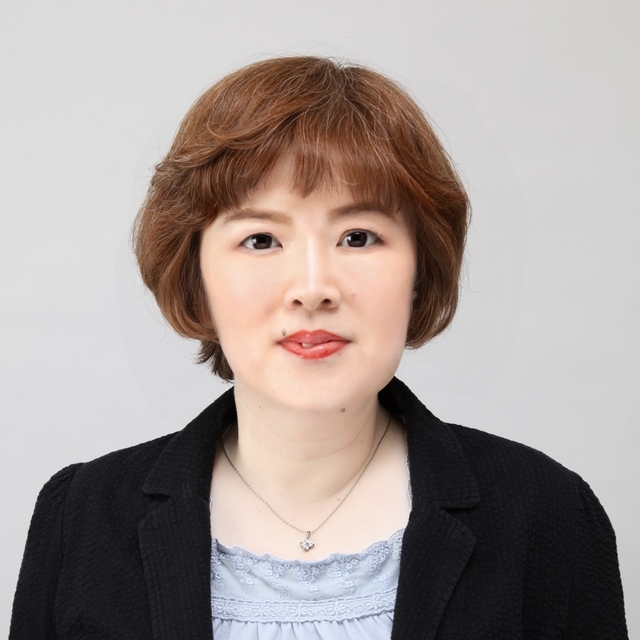
20 Years of Litigation Experience | Licensed in Japan & California | Fellow of IAFL | Member of BHBA (Family Law & Trusts & Estates Sections)

Cross-Border Estate & Family Law Japan
Legal Profession Corporation CastGlobalToikyo Office 34F Atago Green Hills MORI Tower2-5-1 Atago, Minato-ku,
Tokyo、105-6234, Japan
Office Hours
9:30~17:30
on weekdays
050-3649-6002
Community Property and Japanese Inheritance Law

Introduction
For international families with assets spanning the Pacific, the intersection of California’s community property system and the Japanese Civil Code creates one of the most complex challenges in estate administration. For California practitioners and high-net-worth heirs, the central question is often: Does a spouse’s 50% community property interest survive the application of Japanese succession law?
While California law emphasizes the classification of marital assets as community or separate property, Japanese inheritance law operates on a fundamentally different framework of statutory heirship. Understanding this friction is essential not only for post-mortem administration but also for effective cross-border estate planning.
1. The California Framework: The Community Property Presumption
California is a community property state where any asset acquired during marriage through the efforts or earnings of either spouse is presumed to be owned equally.
· Survivor’s Rights: Upon the death of one spouse, the surviving spouse automatically retains their own 50% interest in the community property. The decedent’s 50% share is then distributed according to their will or intestate succession rules.
· Separate Property Exceptions: Assets acquired before marriage, or during marriage by gift or inheritance, are generally characterized as "separate property."
· The "In Practice" Challenge: In practice, the "commingling" of separate and community funds—often seen in long-term international marriages—requires a sophisticated tracing analysis to determine the true character of an asset before any inheritance procedure can begin.
2. The Japanese Framework: Statutory Heirship without Marital Classification
In contrast, the Japanese Civil Code does not employ a community property model. Instead, it relies on a rigid system of Statutory Heirs (Houtei Souzokunin) and Statutory Inheritance Shares (Houtei Souzoku-bun).
· No Automatic 50% Cut: Under Japanese law, all assets held in the decedent’s name at the time of death are considered part of the estate. The surviving spouse does not have a pre-existing "community" claim to half the assets; instead, they are granted a statutory share (e.g., 1/2 if there are children, 2/3 if there are surviving parents) of the total estate.
· Universal Succession: Succession occurs automatically at the moment of death, and all heirs remain in joint ownership of the estate until the formal division of assets is completed.
·
· 3. Practical Implications: When Two Systems Collide
The disparity between these two systems creates significant hurdles in practice.
· Characterization Conflicts:
An asset characterized as community property in California (and thus only 50% includible in the decedent's estate) may be viewed by Japanese financial institutions or the tax office as being owned 100% by the decedent if held in their name. In practice, bridging this gap requires a professional legal memorandum or expert opinion to effectively explain California’s community property principles to the Japanese authorities."
The "Step-up" in Basis and Tax Valuation:
For high-net-worth heirs, the tax treatment of community property is a critical concern. While U.S. law provides a "step-up" in basis for both halves of community property, Japanese inheritance tax applies based on the location of assets and the residency of the parties, often disregarding the community property characterization unless specific legal arguments are made.
· Family Court Involvement:
In practice, if heirs disagree on how California's property rules should influence the division of Japanese assets, the matter must be resolved in the Japanese Family Court. As Attorneys-at-Law (Bengoshi), we represent heirs in Conciliation (Chotei) or Adjudication (Shinpan) to ensure that marital property rights are properly considered within the Japanese legal framework.
4. Strategic Planning for International Families
Relying on a standard California Living Trust may not be sufficient to manage Japanese real estate or restricted company shares.
· Living Trusts and Japanese Registry: In practice, the Japanese real estate registry (Legal Affairs Bureau) does not recognize the concept of a "Trustee" in the same way California law does. This often results in administrative delays.
· Coordinated Professional Support: Effective planning requires a multidisciplinary approach. By coordinating between California counsel and a Japanese legal team that integrates Attorney representation with Tax Accountant (Zeirishi) expertise, families can avoid unintended distributions and minimize tax liabilities.
Conclusion
The administration of an estate involving California community property and Japanese inheritance law is an intricate process where civil procedure, marital property classification, and disparate asset-transfer mechanisms intersect. As global asset distribution becomes the norm for high-net-worth families, addressing these challenges requires more than a simple understanding of the law; it demands a strategic, multidisciplinary approach. Ensuring that a spouse's community property rights are respected within the Japanese statutory heirship system is essential to preserving the legacy of the deceased. For international legal counsel and heirs, early coordination with a specialized Japanese legal team—capable of providing both Family Court representation and seamless integration with tax professionals—is the most effective way to ensure a secure and optimized transition of wealth across borders.
Contact information

Please contact via e-mail.
050-3649-6002
Office hours 9:30~17:30 on weekdays
Contact us

Strategies for
International Divorce
More information
Representation in
Hague Convention
Cases
More information
Contact information
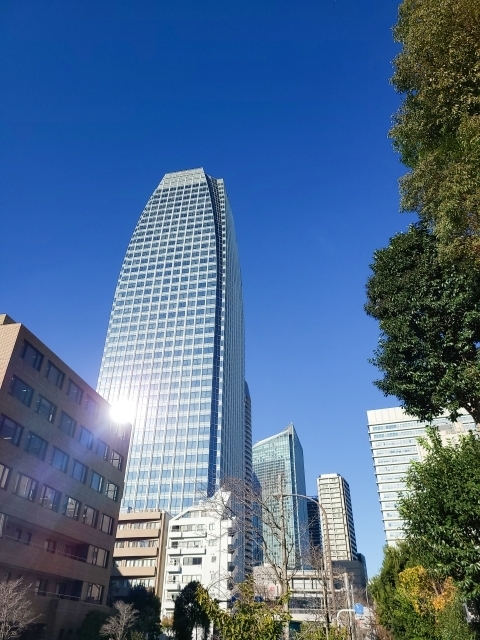
34F Atago Green Hills MORI Tower 2-5-1 Atago, Minato-ku, Tokyo 105-6234, Japan
電話: Tel 81+(0)50-3649-6002