20 Years of Litigation Experience | Licensed in Japan & California | Fellow of IAFL | Member of BHBA (Family Law & Trusts & Estates Sections)

Cross-Border Estate & Family Law Japan
Legal Profession Corporation CastGlobalToikyo Office 34F Atago Green Hills MORI Tower2-5-1 Atago, Minato-ku,
Tokyo、105-6234, Japan
Office Hours
9:30~17:30
on weekdays
050-3649-6002
Estate Planning for Families With Assets in Japan and California

Introduction
For families with assets spanning both California and Japan, a "standard" estate plan is often insufficient. California’s legal system emphasizes the avoidance of probate, often through revocable trusts and survivorship designations. In contrast, Japan’s civil law system operates on strict statutory inheritance rights and a formalistic registration process. Without professional coordination, families often face frozen assets and administrative hurdles at the Japanese Legal Affairs Bureau. This guide highlights the critical friction points between these two jurisdictions and why a Japan-specific strategy is necessary to protect your global legacy.
1. The Banking Hurdle: Lack of Survivorship and POD Designations
The most immediate crisis for many grieving families is the freezing of Japanese bank accounts.
No Right of Survivorship: Unlike California, Japan does not recognize Joint Tenancy with a Right of Survivorship for bank accounts. Furthermore, Japanese banks do not offer POD (Payable on Death) or TOD (Transfer on Death) designations for standard deposits.
Account Freezing upon Notification: Because these automatic transfer mechanisms are unavailable, bank deposits are legally classified as part of the estate. While freezing is not "automatic" at the exact moment of death, Japanese banks will freeze the account immediately once they are notified of the death. To unfreeze and transfer the funds, the bank typically requires a formal Estate Division Agreement (Isan Bunkatsu Kyogisho) signed by all statutory heirs.
2. Real Estate Registration and Foreign Trust Structures
While California families frequently use Living Trusts for asset management, the Japanese registration system (Homukyoku) is significantly more rigid.
Registration of Title: In Japan, title to real estate must be held by a specific individual or legal entity. While a foreign trust's trustee can hold title, the transfer requires a specialized "Trust Registration" (Shintaku Toki) and the creation of a "Trust Inventory" (Shintaku Mokuroku).
Practical Barriers: Because Japanese law has its own specific framework for trusts, foreign trust documents may not be directly compatible with Japanese property registration requirements. Trying to apply a California-style trust structure to Japanese land can lead to administrative rejection or complex legal workarounds.
3. Statutory Forced Heirship (Ishibun)
Japan’s Civil Code provides certain close heirs with a "Legally Reserved Portion" (Ishibun).
Limits on Testamentary Freedom: Even if a specific distribution is designated in a will or trust under California law, heirs may still retain the right to claim their legally reserved portion under Japanese law, if Japanese law is determined to govern the succession.
Conflict Prevention: Failing to account for these mandatory shares in the overall estate plan can trigger litigation in Japanese Family Courts. This can cause significant delays in the overall administration of the global estate.
4. Taxation: The "10-Year Rule" and Global Exposure
The Japanese National Tax Agency (NTA) maintains a broad reach over international estates.
Worldwide Taxation: Under certain conditions, Japan may claim the right to tax the estate’s worldwide assets, not just those located in Japan. This often occurs if either the deceased or the heir has lived in Japan within the last 10 years (the "10-Year Rule").
Need for Integration: It is critical to ensure that your estate plan is reviewed for potential tax exposure in Japan to avoid unexpected liabilities that could have been mitigated through proactive legal structuring.
5. Essential Cross-Border Documentation
To ensure your California estate plan is recognized in Japan, specific evidentiary standards must be met.
Affidavits and Signatures: Since Japan traditionally relies on the Seal (Inkan) system, non-residents must provide Certificates of Signature and notarized Affidavits of Heirship to complete any asset transfer.
Coordinating the Will: While a foreign will can be valid in Japan, having a Japan-specific will for Japanese assets is often the most cost-effective way to ensure a smooth transition and avoid the complexities of interpreting foreign law in a Japanese court.
Conclusion
Navigating the intersection of California’s probate codes and Japan’s civil law requires a specialized bridge. The differences in banking protocols, property registration, and mandatory heirship rights create significant risks for the uninformed. To ensure your assets are protected and your family is provided for without delay, it is essential to work with counsel who can translate your global goals into enforceable actions within the Japanese legal system. Our team specializes in this cross-border integration, providing the local expertise necessary to safeguard your interests in Japan.
Contact information

Please contact via e-mail.
050-3649-6002
Office hours 9:30~17:30 on weekdays
Contact us

Strategies for
International Divorce
More information
Representation in
Hague Convention
Cases
More information
Contact information
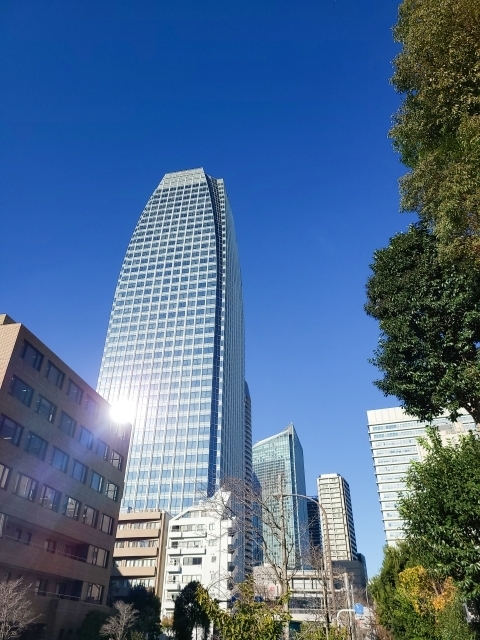
34F Atago Green Hills MORI Tower 2-5-1 Atago, Minato-ku, Tokyo 105-6234, Japan
電話: Tel 81+(0)50-3649-6002