20 Years of Litigation Experience | Licensed in Japan & California | Fellow of IAFL | Member of BHBA (Family Law & Trusts & Estates Sections)

Cross-Border Estate & Family Law Japan
Legal Profession Corporation CastGlobalToikyo Office 34F Atago Green Hills MORI Tower2-5-1 Atago, Minato-ku,
Tokyo、105-6234, Japan
Office Hours
9:30~17:30
on weekdays
050-3649-6002

Introduction
Cross-border inheritance cases involving Japan are becoming increasingly common as international families, expatriates, and foreign investors hold assets in the country. Foreign lawyers are often asked to coordinate estate administration that includes Japanese real estate, bank accounts, or company shares. However, Japanese inheritance procedures differ significantly from those in many Western jurisdictions. Understanding the basic structure of Japanese succession law and the practical steps involved can help foreign counsel manage these matters more efficiently and avoid procedural delays.
1. Key Features of Japanese Inheritance Law
Japanese inheritance law is primarily governed by the Civil Code. Upon death, the estate passes automatically to the statutory heirs unless a valid will determines otherwise. Spouses and children are the most common heirs, and inheritance shares are defined by statute when no will exists.
One important feature is that Japan does not use a probate system similar to those in the United States or the United Kingdom. Instead, heirs typically complete procedures directly with financial institutions, registries, and other relevant authorities. Because of this structure, banks and registries carefully review documentation to confirm the identity of heirs and the validity of inheritance arrangements.
Foreign lawyers should also be aware of Japan’s forced heirship rules, known as the “statutory reserved portion.” Certain heirs may claim a guaranteed share of the estate even if a will provides otherwise.
2. Essential Documentation and Procedures
Handling Japanese inheritance matters usually requires several key documents. These commonly include death certificates, proof of heirship, wills (if any), and identification documents for all heirs. In many cases, foreign documents may be notarized, apostilled, and translated into Japanese.
When multiple heirs are involved, a written agreement among the heirs—often called a “division agreement”—is typically required to allocate specific assets such as real estate or bank deposits. Japanese financial institutions and registries rely heavily on properly executed documentation, so careful preparation is critical.
Foreign lawyers often coordinate with Japanese counsel to ensure that documentation meets local procedural standards and that translations are accurate.
Conclusion
Japanese inheritance procedures can appear complex for foreign lawyers unfamiliar with the system. Nevertheless, with a clear understanding of Japan’s succession framework, documentation requirements, and practical procedures, international estate administration can proceed smoothly. Early coordination with Japanese professionals and careful preparation of documents are key steps in successfully handling inheritance matters involving Japanese assets.
Contact information

Please contact via e-mail.
050-3649-6002
Office hours 9:30~17:30 on weekdays
Contact us

Strategies for
International Divorce
More information
Representation in
Hague Convention
Cases
More information
Contact information
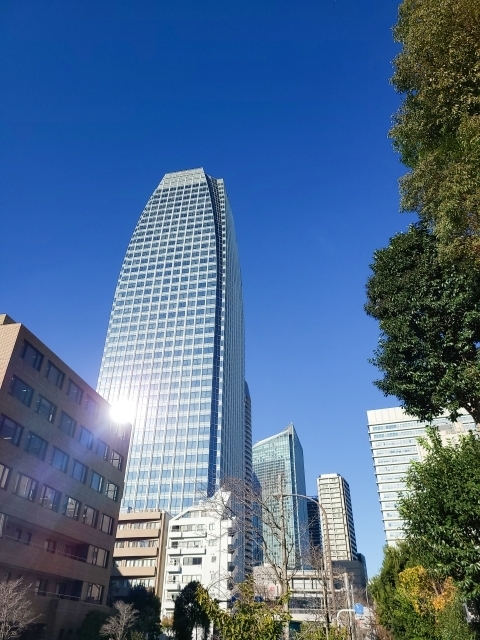
34F Atago Green Hills MORI Tower 2-5-1 Atago, Minato-ku, Tokyo 105-6234, Japan
電話: Tel 81+(0)50-3649-6002