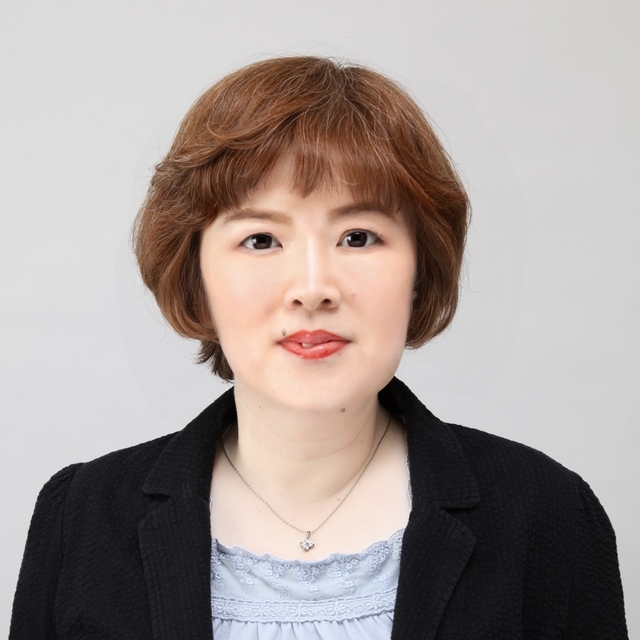
20 Years of Litigation Experience | Licensed in Japan & California | Fellow of IAFL | Member of BHBA (Family Law & Trusts & Estates Sections)

Cross-Border Estate & Family Law Japan
Legal Profession Corporation CastGlobalToikyo Office 34F Atago Green Hills MORI Tower2-5-1 Atago, Minato-ku,
Tokyo、105-6234, Japan
Office Hours
9:30~17:30
on weekdays
050-3649-6002

Introduction
As individuals increasingly live, work, and invest across the Pacific, cross-border estates involving both Japan and California have become a sophisticated area of legal practice. For legal professionals in California and heirs of international estates, the friction between a Civil Law system (Japan) and a Common Law system (California) presents unique challenges. Whether the estate involves Japanese real estate, U.S. financial accounts, or complex family trusts, understanding the structural disparities in succession law is the first step toward a successful asset transition.
This article examines the critical differences in governing law, marital property regimes, and procedural mechanisms between Japan and California, offering a strategic overview for those managing international successions.
1. Governing Law: National Law vs. State Statute
A fundamental question in any cross-border estate is: Which law governs the succession?
· The Japanese Approach: Under the Act on General Rules for Application of Laws, inheritance is generally governed by the national law of the deceased at the time of death. Japan adheres to the principle of "Universal Succession," where heirs automatically succeed to all rights and obligations of the decedent. In practice, however, while the substantive law may be foreign, any transfer of Japanese real estate must strictly comply with local registration (Toki) procedures and documentation.
· The California Approach: In the United States, inheritance is governed by state law rather than federal law. For estates connected to California, the California Probate Code is the primary authority. Unlike Japan’s nationality-based approach, California law often looks to the domicile of the decedent for personal property and the situs (location) for real property.
2. Marital Property: Community Property vs. Separate Ownership
One of the most profound differences lies in how marriage affects property ownership.
· California’s Community Property: California is a community property state. Property acquired during marriage is presumed to be owned 50/50 by both spouses. Upon death, the surviving spouse typically retains their half, and the decedent’s half is distributed according to their will or intestate succession rules.
· Japan’s Separate Property System: Japan does not recognize community property in the Western sense. Assets are generally owned by the individual in whose name they are held. Upon death, the surviving spouse is a statutory heir entitled to a specific portion of the estate alongside other blood relatives, but the concept of an automatic "half-share" from the marriage does not exist in Japanese inheritance law.
3. Procedural Mechanics: Probate vs. Automatic Succession
The method by which assets actually move from the deceased to the living is where the two systems diverge most sharply in practice.
· Japan’s Automatic Succession and Conciliation:
In Japan, there is no "estate" as a separate legal entity. Succession occurs automatically at the moment of death. If there are multiple heirs, the estate is held in "joint ownership" until it is divided. If an agreement cannot be reached, the matter moves to the Family Court for Conciliation (Chotei) or Adjudication (Shinpan). In practice, the Japanese Attorney-at-Law (Bengoshi) plays a critical role here, as they hold the exclusive authority to represent heirs in these court proceedings.
· California’s Probate System:
In California, assets held solely in the decedent's name must generally pass through Probate—a court-supervised process to settle debts and distribute assets. While thorough, probate can be time-consuming and public.
4. Non-Probate Transfers in California
To avoid the complexities of probate, California law provides several "Non-Probate Transfer" mechanisms:
· Living Trusts: A common tool where assets are held by a trustee for the benefit of beneficiaries.
· Joint Tenancy: Property with "Right of Survivorship" transfers automatically to the surviving owner.
· Beneficiary Designations: Transfer-on-death (TOD) or Payable-on-death (POD) accounts.
In practice, these mechanisms often confuse Japanese administrative bodies (such as banks or registries), which may not have a direct equivalent for a "Living Trust" in their standard operating procedures.
5. Practical Challenges in Japan–California Estates
The intersection of these two systems creates several practical hurdles:
· Identification of Heirs: Japan relies on the Family Registry (Koseki), whereas California relies on birth/marriage certificates and affidavits. Bridging this evidentiary gap requires specialized legal documentation.
· Execution of Title: Transferring Japanese real estate requires a level of documentary precision (including Hanko seals or signature certificates) that is often foreign to California practitioners.
· The "In Practice" Reality: In practice, a California "Order for Distribution" may not be directly enforceable in Japan without undergoing specific domestic legal recognition or being translated into the framework of a Japanese inheritance agreement.
Conclusion
The administration of an estate spanning Japan and California is an intricate process where civil procedure, marital property classification, and disparate asset-transfer mechanisms intersect. As global asset distribution becomes the norm for high-net-worth families, addressing these challenges requires more than a simple understanding of the law; it demands a strategic, multidisciplinary approach. Ensuring that California non-probate mechanisms are respected in Japan, and that Japanese court-supervised divisions are recognized in California, is essential to preserving the legacy of the deceased. For international legal counsel, early coordination with a specialized Japanese legal team—capable of providing both Family Court representation and seamless integration with the practicalities of Japanese registration—is the most effective way to ensure a secure and optimized transition of wealth across borders.
Contact information

Please contact via e-mail.
050-3649-6002
Office hours 9:30~17:30 on weekdays
Contact us

Strategies for
International Divorce
More information
Representation in
Hague Convention
Cases
More information
Contact information
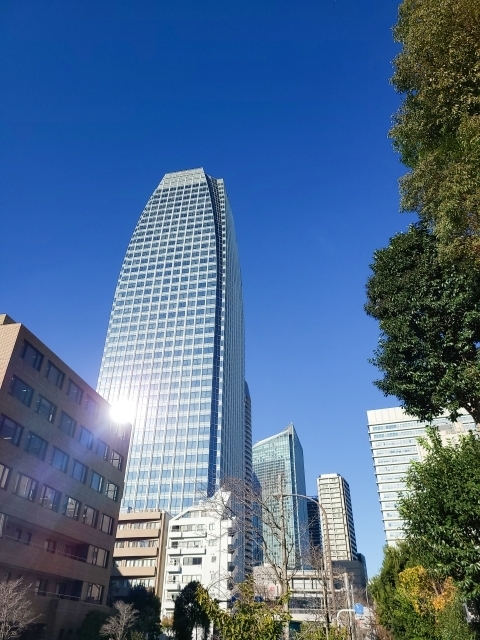
34F Atago Green Hills MORI Tower 2-5-1 Atago, Minato-ku, Tokyo 105-6234, Japan
電話: Tel 81+(0)50-3649-6002